
First family set
Five job types that work before bedtime traffic and do not require a long workshop teach.
Care Guides
Start with tire fit before theme, award badges or box size. These guides focus on practical decisions.
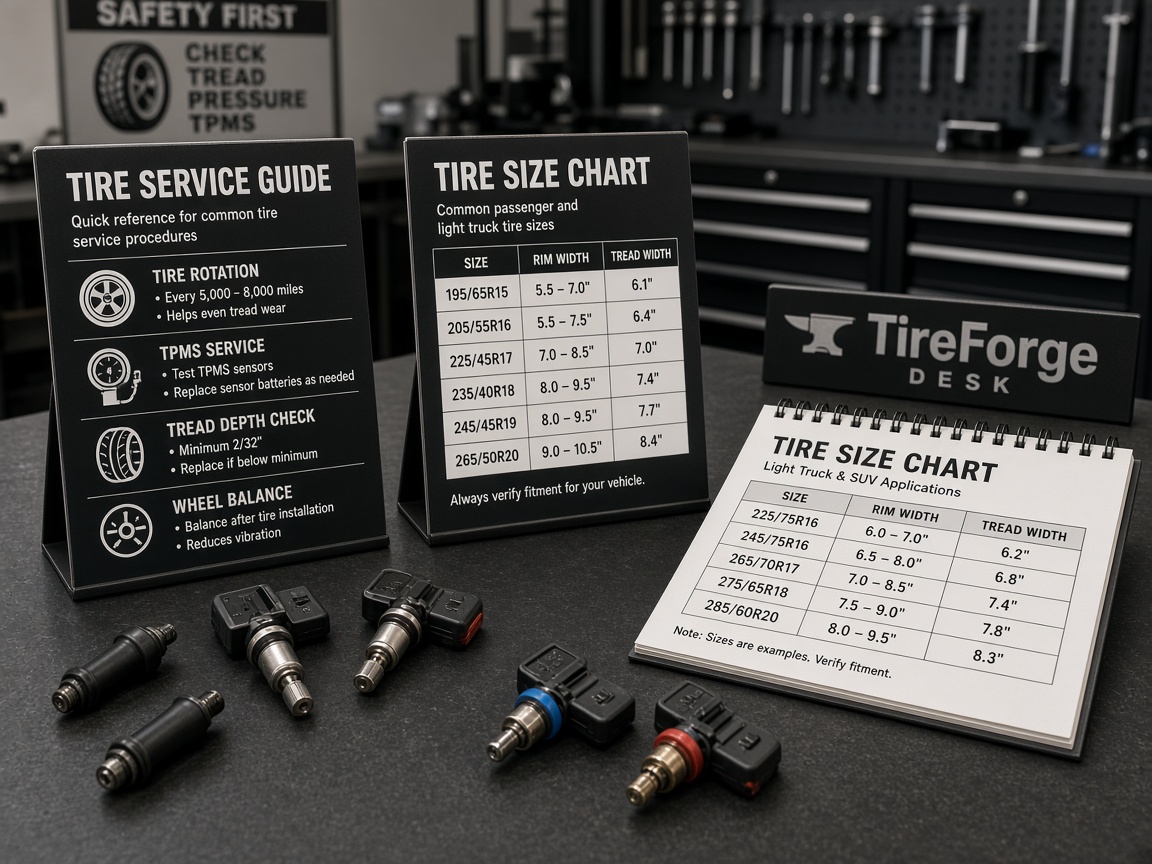
Five job types that work before bedtime traffic and do not require a long workshop teach.
Compact balances with meaningful choices and manageable setup time.
How to choose heavier tires without overwhelming newer drivers.
Flexible jobs for surprise vehicle counts and short attention windows.
Check tire size, tread level, setup time, valve ownership and whether your group wants direct repair or shared seasonal goals.
| New drivers | Start with goal, turn order, one example check and the first pressure moment. |
|---|---|
| Mixed experience | Seat the strongest explainer opposite the newest driver and keep size cards visible. |
| Long rules | Split the teach into setup, core loop, exceptions and end-of-visit trigger. |
Not every rule needs equal time before the first lift. Secondary scoring wrinkles, rare exceptions and deep optimization paths usually land better after drivers have touched the core loop once.
A clean first round builds confidence faster than a complete lecture. The guide pages prefer momentum, visible examples and short correction moments over a ten-minute rules dump that drains the room.
If a job is hard because of turn order, icon density or fragile strategy openings, the page says so before the reader commits to the bay.
Most bad teaches fail in the first fifteen minutes. The guides focus on getting through that stretch with enough clarity that the group wants a second visit.
Family, open-fleet and heavy-performance bays need different teach speeds. A good explanation changes shape depending on who is sitting down.